
Walk into a well-designed office and you feel it immediately. Everything is where it should be. The space is calm, organized, and easy to move through. People look like they’re actually getting work done.
Walk into a poorly designed one and you feel that too — the noise, the clutter, the awkward flow, the sense that the space is fighting against the people in it.
The difference between those two offices usually isn’t the budget. It’s the planning.
Alys Buildsworth, one of Kuala Lumpur’s first class office renovation contractors, works with businesses across KL to create offices that are built around how companies actually operate. Here’s everything you need to know about office layout design — and why getting it right from the start matters more than most people realize.
What A Layout Is Really Doing
Most business owners think of an office layout as a practical decision — where the desks go, where the meeting rooms sit, how to fit everyone in.
But a layout is doing much more than that behind the scenes.
It’s deciding how easily your team can communicate. It’s shaping how focused or distracted people feel throughout the day. It’s creating the first impression every client gets when they walk through the door. And it’s either making room for your business to grow — or quietly boxing it in.
A thoughtful office layout design does all of this well. A rushed one creates friction that builds up slowly, showing up in ways that are hard to identify but easy to feel.
The Layout Options Available to You
There’s no layout that works for every business. The right choice depends on your team size, the type of work being done, and the culture you’re building. Here are the main options worth understanding.
Open Space Office Layout
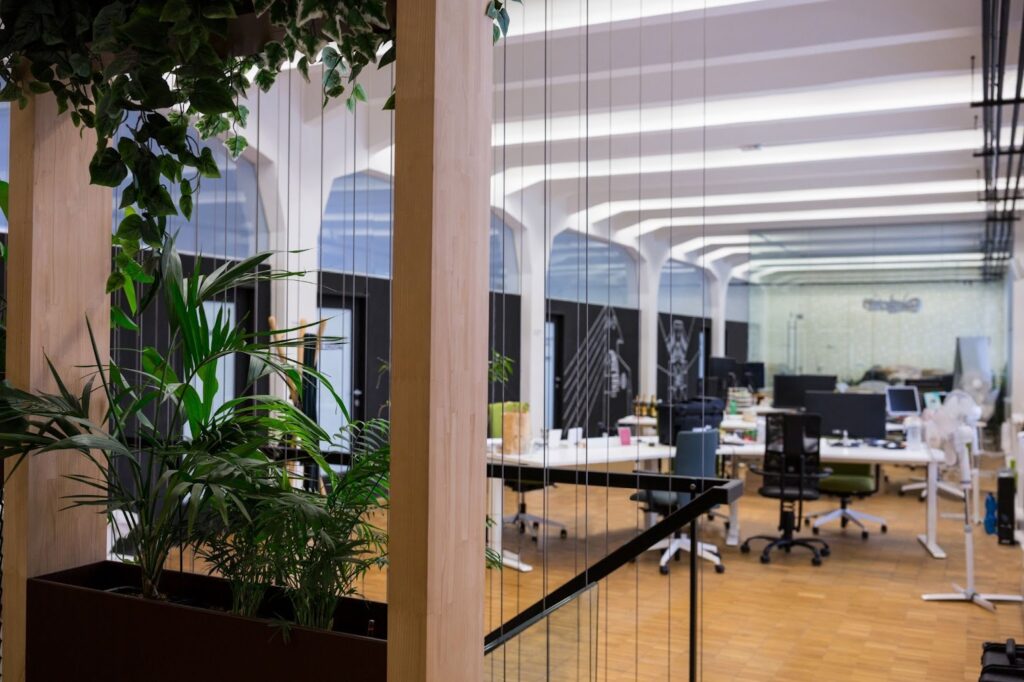
Open space means no walls between workstations. The whole team shares one connected space, defined by furniture and flow rather than partitions and doors.
It’s the most popular choice for growing businesses — and for good reason.
What works well:
- Teams can communicate and collaborate without effort
- The space feels larger and more energetic
- It’s flexible — easy to reconfigure as the team changes
- Generally the most cost-effective option to fit out
What to watch out for:
- Noise and distractions are the biggest challenge
- Roles that need deep focus can struggle in a fully open environment
- Privacy for calls or sensitive conversations becomes an issue
The solution isn’t to avoid open plan. It’s to design it properly. Acoustic panels, defined quiet zones, and privacy pods can address most of the challenges while keeping the collaborative energy intact.
Private Office Layout
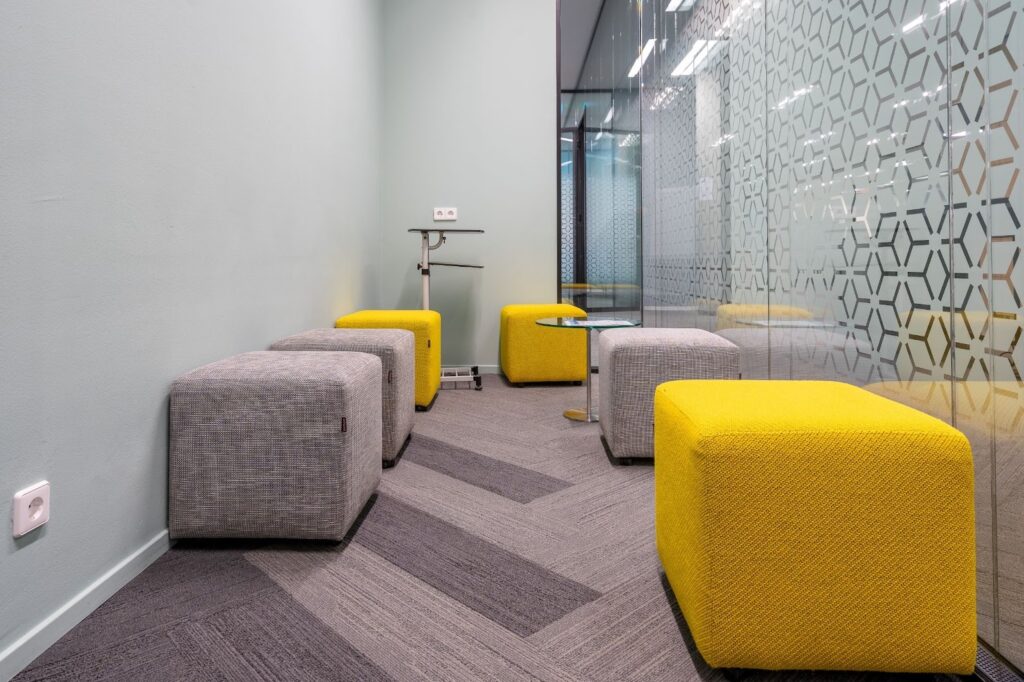
Private offices use enclosed rooms or full-height partitions to give individuals or small teams their own dedicated space.
This layout suits senior leadership, legal or finance teams, or any role where confidentiality and uninterrupted focus are non-negotiable.
What works well:
- High level of privacy and concentration
- Suited to sensitive or high-stakes work
- Gives senior team members a defined, professional space
What to watch out for:
- Uses significantly more floor space per person
- Can feel isolating if not balanced with shared areas
- Less adaptable when the team grows or changes
- Costs more to build and maintain
Private offices work best as part of a balanced layout — intentional spaces for the roles that genuinely need them, sitting alongside more open areas for the rest of the team.
Hybrid Layout
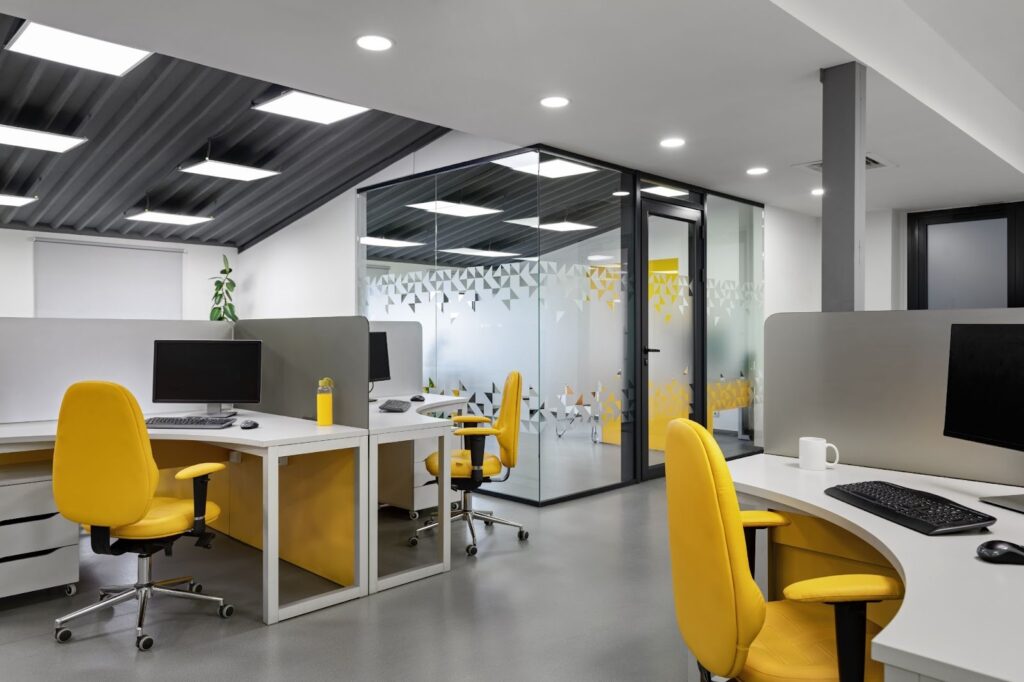
A hybrid layout takes the best of both worlds. Open workspaces for general day-to-day work, combined with enclosed rooms, quiet zones, and dedicated collaboration areas — each space designed for a specific purpose.
This is the approach that works for most growing businesses in KL. It serves more of the team well, it adapts more easily as the company changes, and when planned properly, it makes the whole office feel considered and intentional.
A well-balanced hybrid office typically includes:
- An open floor for daily work
- Enclosed meeting rooms for calls and client conversations
- A quiet zone for focused, uninterrupted work
- A collaboration area clearly separated from heads-down spaces
- A reception area that reflects the brand properly
The key is making sure each zone actually serves its purpose — and that the zones relate to each other in a way that makes sense for how the team moves through the day.
Space Planning: The Step Most People Skip
Space planning is what happens before the layout gets designed. It’s the process of understanding how the business works — and using that understanding to make every layout decision that follows.
Good space planning asks:
- Which teams need to be near each other daily?
- Where does natural light fall, and who needs it most?
- How do people move through the office during a typical day?
- How much storage is actually needed, and where should it live?
- How will the team and the business change over the next two to three years?
When this thinking happens first, the layout that comes out of it feels natural. People know where to go. The flow makes sense. The space supports the work rather than interrupting it.
When it gets skipped, the problems show up later — in noise complaints, cluttered corridors, teams that can’t communicate efficiently, and an office that always feels slightly wrong no matter how many times you rearrange it.
Signs Your Current Layout Isn’t Working
Sometimes the problem isn’t obvious — it just shows up as a general sense that something is off. Here are the clearest signs that an office layout needs attention:
- The team has grown but the layout hasn’t changed to accommodate it
- Noise complaints or lack of privacy are coming up regularly
- New staff have nowhere logical to sit or settle in
- The office always looks cluttered no matter how often it gets tidied
- Clients comment on the space — and not positively
- People are regularly working from home just to get focused work done
Any one of these is worth addressing. Several of them together is a clear signal that the layout needs a proper rethink — not just a furniture reshuffle.
Getting the Brief Right Before Anything Else
The most important step in any office layout project isn’t the design. It’s the conversation that happens before the design begins.
Before any floor plans are drawn or any decisions are made, the right team will want to understand the business properly. How the team is structured. What is working in the current space and what is not. Where the company is heading. What the office needs to do for the people inside it every day.
That understanding shapes every layout decision that follows. It is the difference between an office that looks good and one that actually works.
At Alys Buildsworth, every project starts with exactly that conversation. The design comes from listening, not from templates.
Frequently Asked Questions About Office Layout Design
1. What is the best office layout for productivity?
There is no single best layout — the right design depends on how your team works. Businesses with largely independent, focused work benefit from quieter, more enclosed arrangements. Teams that collaborate constantly need open, accessible common areas. Most modern KL offices benefit from a hybrid approach: open collaborative zones, dedicated quiet areas, and a range of meeting room sizes. The key is designing each zone intentionally for its purpose, not defaulting to a single floor-wide layout.
2. How much does office layout design cost in KL?
Space planning fees vary depending on the size and complexity of the project. For most commercial office fit-outs, space planning is included as part of an integrated design and build engagement rather than billed separately. The more relevant question is the total project cost — which depends on floor area, specification level, and the extent of fit-out work required. A pre-construction consultation is the right starting point for establishing a realistic budget.
3. How long does it take to redesign an office layout?
The design phase for a typical KL office project takes two to four weeks, depending on size and complexity. The construction phase typically takes six to ten weeks. Total time from initial consultation to move-in is usually ten to fourteen weeks for a single-floor project. Projects requiring significant structural work, building authority approvals, or complex MEP coordination take longer.
4. What should I prioritise when planning an office layout?
Start with how your team actually works — not how you think it should work or what looks good in a mood board. Map out which teams need to collaborate regularly, where individual focused work happens, how clients or visitors move through the space, and what your storage and equipment requirements are. A designer who begins with these operational questions will produce a better space than one who leads with aesthetics.
Conclusion
A well-planned office layout is one of the most practical investments a business can make. It improves how people work, how the business presents itself, and how the space holds up as the company grows. And it doesn’t require the biggest budget — it requires the right thinking from the start.
Alys Buildsworth is one of Kuala Lumpur’s best renovation contractors, helping businesses plan and build workspaces that are thoughtful, functional, and built to last. If you’re planning an office fit-out or looking to improve your current layout, the team would love to hear from you.