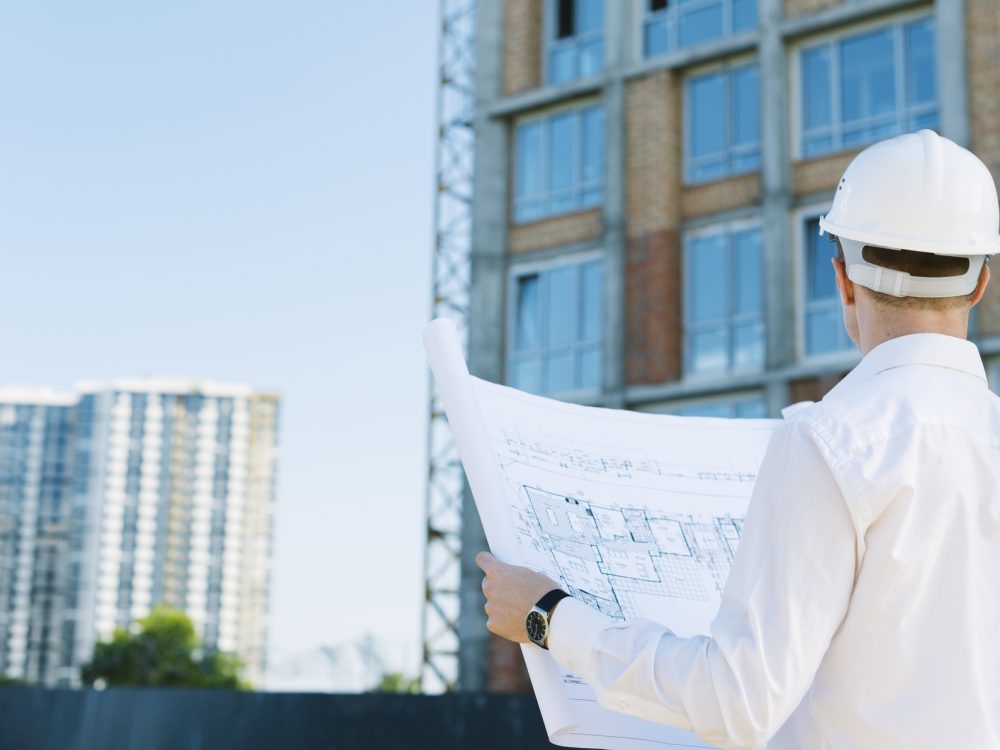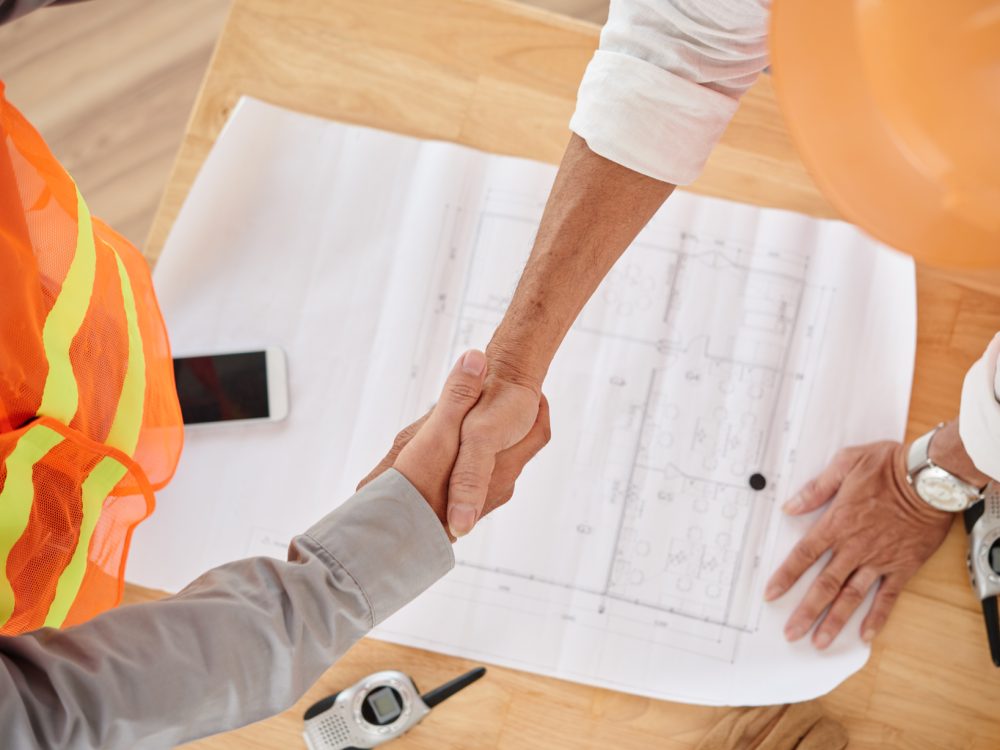
Design and build services are transforming the construction industry. They integrate design and construction phases, streamlining project delivery. This approach enhances efficiency and reduces costs.
Architectural design is a key component. It ensures spaces are both functional and visually appealing. Effective design sets the foundation for successful projects.
Project management is crucial in this process. It keeps projects on track, ensuring they meet deadlines and budgets. A skilled project manager coordinates all aspects seamlessly.
Interior design also plays a vital role. It enhances the usability and aesthetic of spaces, adding value to the project. Thoughtful interior design can transform a building’s atmosphere.
Collaboration among architects, project managers, and interior designers is essential. It fosters innovation and ensures cohesive project outcomes. Together, they maximize efficiency in design and build services.
Understanding Design and Build Services
Design and build services simplify construction by merging design and construction phases. This model reduces the time needed for traditional handoffs. It leads to a more efficient project timeline.
Design and build offers a single point of responsibility. This structure minimizes confusion and streamlines communication. Clients appreciate the clear accountability.
This approach can cater to various projects. From residential homes to complex commercial structures, it provides flexibility and adaptability. Each project can be customized to meet specific needs.
Key benefits of design and build services include:
- Streamlined communication: One team manages the entire process.
- Cost savings: Reduced risks of cost overruns.
- Improved timelines: Faster project delivery.
- Higher quality: Consistent standards maintained throughout.
These benefits attract many clients looking for efficient project execution. Design and build services offer a cohesive solution for diverse construction needs.
The Role of Architectural Design in Efficiency
Effective architectural design is vital for project efficiency. It creates functional and aesthetically pleasing spaces. This ensures a harmonious balance between form and function.
Architectural design influences every aspect of a project. Good design reduces construction complexities and enhances usability. It optimizes space, ensuring every square foot serves a purpose.
The success of a building rests on thoughtful design choices. These decisions impact cost, construction time, and client satisfaction. By focusing on efficient design, projects can achieve outstanding results.
Key aspects of architectural design for efficiency include:
- Space optimization: Maximize utility in all areas.
- Durability: Use materials that extend the building’s life.
- Flexibility: Design for future adaptability.
- Aesthetics: Ensure visual appeal aligns with functionality.
Through strategic architectural design, projects reach their full potential efficiently and effectively.
Project Management: The Backbone of Streamlined Delivery
Project management is crucial for achieving efficient design and build services. It sets clear objectives, ensuring all tasks align with project goals. Efficient management keeps construction on schedule and within budget.
Managing a project involves juggling many tasks. These include resource allocation, risk assessments, and stakeholder communication. Each aspect must be managed diligently to avoid delays and cost overruns.
Project managers coordinate every detail. They work closely with architects and designers to implement the vision. This collaboration ensures seamless transitions between design and construction phases.
Key elements of effective project management include:
- Timely scheduling: Maintain clear timelines and meet deadlines.
- Budget tracking: Monitor expenses and adjust plans as needed.
- Quality assurance: Ensure standards and safety are maintained.
- Risk management: Anticipate and mitigate potential challenges.
By mastering these aspects, project management helps turn complex designs into successful, efficient realities.
Integrating Interior Design for Optimal Results
Interior design goes beyond aesthetics; it enhances function and comfort. Effective interior design transforms spaces into welcoming, productive environments tailored to user needs. This focus on usability adds immense value to any design and build project.
Incorporating interior design early brings numerous advantages. Designers can ensure harmony between the building’s structure and its interiors. This integration optimizes space utilization and ensures a cohesive look throughout the project.
Key aspects to consider when integrating interior design include:
- Functionality: Ensure spaces serve their intended purposes.
- Aesthetics: Choose finishes and colors that enhance the mood.
- Flexibility: Allow for future adaptations without major renovations.
Through thoughtful interior design integration, projects achieve both beauty and practicality. This ensures satisfied clients and successful outcomes.
Leveraging Technology and Collaboration
Incorporating technology in design and build services boosts precision and coordination. Tools like Building Information Modeling (BIM) enhance accuracy in architectural design. They enable stakeholders to share and update designs in real-time, reducing errors.
Collaboration is essential for successful projects. When architects, project managers, and interior designers work together, they bring unique insights. This teamwork fosters innovative solutions, ensuring smoother project delivery.
Consider these elements for effective technology use and collaboration:
- Communication Tools: Use software for seamless team communication.
- Data Sharing: Share project updates with ease.
- Real-Time Monitoring: Track progress to maintain schedules.
By leveraging the right technology and fostering collaboration, projects can achieve greater efficiency and superior outcomes. These approaches minimize delays and enhance overall project success.
Sustainable and Cost-Effective Construction Practices
Sustainability has become a core focus in construction. Implementing green building practices reduces environmental impacts. Energy-efficient designs lower long-term operational costs, benefiting both the environment and clients.
Cost-effective construction starts with strategic planning. Utilizing prefabricated components speeds up the building process and minimizes waste. This approach not only reduces costs but also maintains high-quality standards.
To achieve sustainable and cost-effective construction, consider these practices:
- Resource Management: Optimize material use to reduce waste.
- Energy Efficient Systems: Implement systems to lower utility costs.
- Local Sourcing: Use local materials to cut transportation costs.
By combining sustainability with cost efficiency, design and build services offer enhanced value. These practices lead to durable, eco-friendly buildings that meet modern needs.
Key Strategies for Maximizing Efficiency
Maximizing efficiency in design and build services requires strategic approaches. Clear communication ensures all stakeholders understand their roles and responsibilities. This reduces misunderstandings and project delays.
Emphasizing collaboration among team members fosters innovation and problem-solving. Consider these key strategies to enhance efficiency:
- Early Involvement: Involve all team members from the outset.
- Flexible Design: Allow for future adaptations.
- Regular Feedback: Keep open communication channels with clients.
By applying these strategies, projects can be delivered on time and within budget. This approach ensures high-quality results and client satisfaction.
Conclusion: Achieving Success in Design and Build Projects
In summary, design and build services offer a streamlined approach to construction. Integrating architectural design, project management, and interior design enhances efficiency. This ensures the timely and cost-effective completion of projects.
By fostering collaboration and leveraging technology, companies can stand out in the competitive market. Success lies in understanding client needs and maintaining open communication. With these elements in place, projects not only meet but often exceed client expectations. Achieving success in design and build projects is a testament to effective planning and execution.